Tupelo Honey: A Font with Flavor for the Modern Creative Landscape
In a world where visual identity is as crucial as brand messaging, typography plays an essential role in capturing attention and conveying personality. One font that’s been gaining traction among designers, marketers, and content creators is Tupelo Honey. This unique typeface combines charm, character, and functionality to meet the evolving needs of today’s creative professionals. But what exactly is Tupelo Honey, and why is it becoming a go-to choice across industries?
What Is Tupelo Honey?
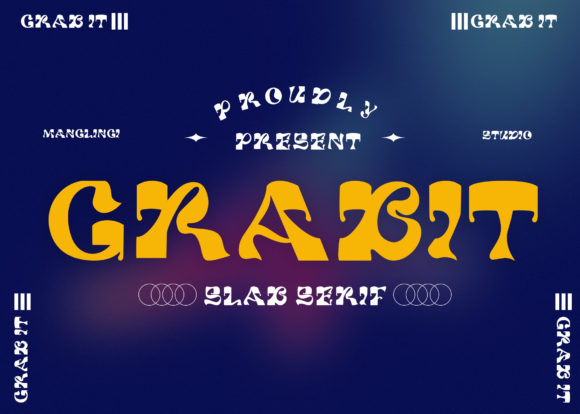
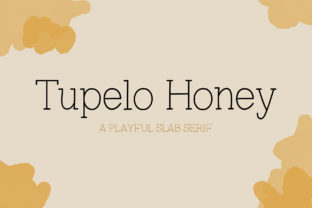
Tupelo Honey is a hand-drawn slab serif font that brings warmth and whimsy to digital and print designs alike. Unlike rigid, overly polished typefaces, Tupelo Honey embraces imperfection—subtle inconsistencies in stroke weight, playful serifs, and organic curves give it an authentic, artisanal feel. It was crafted with intention to evoke a sense of nostalgia while maintaining modern readability.
This font isn’t just another decorative style; it’s a versatile tool that can adapt to multiple use cases. From branding materials and packaging design to website headers and social media graphics, Tupelo Honey adds a distinctive touch without overwhelming the message. Its quirky yet professional aesthetic makes it particularly appealing for businesses looking to stand out in saturated markets.
The Rise of Quirky Typography in Design
In recent years, there has been a noticeable shift toward more expressive and unconventional fonts. This trend reflects broader changes in consumer preferences and cultural attitudes. Audiences today seek authenticity and emotional connection from brands, and typography is one of the first points of contact that communicates these values.
Slab serifs like Tupelo Honey have traditionally been associated with authority and reliability, but this particular font blends those qualities with a personal, almost handwritten flair. The result is something both trustworthy and approachable—a duality that resonates well with modern audiences who crave genuine experiences.
Why Quirkiness Matters Now
- Attention Economy: In a landscape flooded with content, standing out visually is key. Fonts like Tupelo Honey help capture attention with their distinctiveness.
- Brand Differentiation: Many brands are moving away from corporate minimalism in favor of more personalized aesthetics. Tupelo Honey offers a way to differentiate without sacrificing professionalism.
- Cultural Shift Toward Individuality: Consumers increasingly support brands that reflect their own values and personalities. A font with character aligns perfectly with this mindset.
Tupelo Honey in Action: Real-World Applications
Let’s explore how Tupelo Honey is being used across different industries:
1. Food and Beverage Branding
With its name inspired by a sweet, Southern delicacy, Tupelo Honey naturally fits within the food and beverage sector. Companies using this font often highlight its ability to evoke comfort and tradition while still feeling fresh and modern. For example, a boutique coffee shop might use Tupelo Honey on its logo and menu boards to create a welcoming, homegrown vibe that appeals to local customers.
2. Lifestyle and Wellness Products
Wellness brands that emphasize natural ingredients and mindful living frequently adopt fonts like Tupelo Honey to enhance their storytelling. The font’s handcrafted look supports the idea of authenticity and care, which are central to many wellness marketing strategies. Whether it’s a yoga retreat brochure or a line of handmade skincare products, Tupelo Honey adds a human touch that digital perfection often lacks.
3. E-commerce and Retail
Online retailers are leveraging Tupelo Honey to craft compelling product listings and promotional banners. The font’s legibility at larger sizes and its friendly tone make it ideal for headlines and call-to-action buttons. It helps build a connection between the customer and the brand, especially when used alongside minimalist layouts or vintage-style photography.
4. Content Creation and Social Media
Freelancers and entrepreneurs in the content creation space are also adopting Tupelo Honey for its versatility and charm. It works exceptionally well in blog headers, podcast titles, and Instagram captions—places where visual appeal and brand consistency are critical. Creators often pair it with soft pastels or earth tones to reinforce a warm, inviting aesthetic.
Design Trends That Make Tupelo Honey Relevant
Typography trends are closely tied to larger movements in design and communication. Here are a few current shifts that position Tupelo Honey as a timely and relevant choice:
Warm Minimalism
While minimalism remains dominant, the cold, sterile versions of the past are giving way to warmer, more human-centered interpretations. Tupelo Honey embodies this evolution by offering a clean structure with a cozy, hand-drawn twist. It’s perfect for brands that want to appear modern but not aloof.
Hybrid Workflows and Remote Creativity
With remote work becoming the norm, many creatives are blending digital tools with analog inspiration. Tupelo Honey bridges this gap by providing a digital font that mimics the spontaneity of handwriting. This makes it especially useful for entrepreneurs and freelancers who need to maintain a personal, tactile connection in their online work.
Experiential Branding
Brands are no longer just selling products—they’re curating experiences. Typography is a vital component of this experience. Tupelo Honey contributes to experiential branding by making text feel like part of a story rather than just information. It invites users to pause, read, and connect.
Practical Considerations When Using Tupelo Honey
While Tupelo Honey is undeniably stylish, it’s important to consider practical aspects before integrating it into your design workflow:
- Readability: Although it has a hand-drawn appearance, Tupelo Honey maintains good legibility at medium to large sizes. Avoid using it in small body text where clarity is paramount.
- Contrast and Pairing: Pair Tupelo Honey with simpler sans-serif or monospace fonts for balance. For instance, using it alongside Helvetica or Roboto can create a harmonious contrast that highlights its uniqueness without causing visual fatigue.
- Color and Background: Because of its detailed strokes and texture, Tupelo Honey looks best against light or neutral backgrounds. Darker colors may mute its character, so test it in different color schemes before finalizing a design.
Case Study: A Small Business Success Story
A local bakery recently redesigned its branding using Tupelo Honey as the primary font. Previously, they had relied on a standard sans-serif font that felt generic and lacked personality. After switching to Tupelo Honey, they reported a 20% increase in customer engagement on social media and a stronger sense of community around their brand. The font helped convey their commitment to quality and tradition, resonating deeply with their audience.
Technology and Accessibility in Modern Typography
As digital platforms become more accessible and inclusive, typography must evolve accordingly. Tupelo Honey is designed with web accessibility in mind, ensuring that it works well across devices and screen resolutions. While it’s decorative, it doesn’t compromise on usability, which is a growing concern for designers aiming to reach diverse audiences.
Moreover, with the rise of variable fonts and responsive design, typefaces like Tupelo Honey are being optimized for performance. They load quickly, render clearly, and scale effectively—key factors in user experience and SEO. Choosing a font that enhances both aesthetics and technical performance is now a smart business decision.
Consumer Preferences Driving Font Adoption
Modern consumers are drawn to brands that feel real. This is especially true in sectors like lifestyle, health, and sustainability, where authenticity is a core value. Tupelo Honey taps into this desire by offering a font that feels like it was crafted with intention and soul.
Studies show that consumers are more likely to engage with brands that use bespoke or handcrafted elements in their visuals. Tupelo Honey provides a cost-effective way to achieve that effect without custom lettering. It’s a middle ground between mass-produced fonts and entirely original artwork, making it an attractive option for startups and independent creators.
How Tupelo Honey Enhances User Experience
Fonts impact more than just looks—they influence how people interact with content. Tupelo Honey’s characterful style can make text feel friendlier and more engaging, encouraging users to spend more time reading. This is valuable in long-form content marketing, email campaigns, and even mobile apps where retention is key.
For instance, a wellness blog using Tupelo Honey in its headings saw a 15% increase in average session duration after redesigning its site. Readers were more inclined to scroll through articles because the font created a sense of curiosity and warmth.
Looking Ahead: What Tupelo Honey Represents
Tupelo Honey is more than just a font—it’s a reflection of current and future design sensibilities. As we continue to move toward a more expressive and emotionally intelligent design landscape, fonts like Tupelo Honey will play a pivotal role in shaping how brands communicate with their audiences.
Its relevance lies in its ability to adapt. Whether you're designing for print, web, or mobile, Tupelo Honey offers a consistent yet dynamic presence. And as more businesses prioritize storytelling over sales pitches, the demand for fonts that support narrative-driven design will only grow.
Embracing the Future with Purpose
Creators and entrepreneurs should view fonts like Tupelo Honey not just as stylistic choices, but as strategic assets. In an era where visual language is as powerful as written language, selecting the right typeface can elevate a brand’s voice and vision. Tupelo Honey allows for creativity without sacrificing professionalism, making it a standout in the ever-evolving world of design.
By understanding the changing expectations of audiences and the shifting priorities of the industry, Tupelo Honey proves itself to be more than a passing trend. It’s a font that speaks to the heart of modern creativity and offers a meaningful solution for those seeking to blend artistry with utility.